
South African electricity consumers could face another 8.8% increase in electricity prices from April 2027 if Eskom’s proposed tariff structure is approved by the National Energy Regulator of South Africa (NERSA). The proposed increase forms part of the third year of Eskom’s multi-year price determination approved in 2025.
The proposal comes after electricity prices have already increased significantly in recent years, putting additional pressure on households and businesses facing higher operating and living costs.
Eskom electricity price increase explained
Eskom is seeking to implement an average 8.83% tariff increase for the 2027/28 financial year, which starts in April 2027. NERSA has opened the process to public and stakeholder comments on how the increase should be structured.
The 8.83% figure is not a new standalone tariff application in the conventional sense. It represents the third year of the multi-year price determination that was decided in 2025.
NERSA’s consultation is therefore focused on how Eskom will structure and apply the approved increase across different components of electricity charges.
These include basic charges, service charges and charges linked to the amount of electricity consumed.
NERSA opens public consultation
NERSA published its consultation document on 3 September and has invited consumers and other stakeholders to submit comments.
The deadline for public comments is 2 October 2026.
Rhulani Mathebula, NERSA’s executive manager for electricity, said the regulator wants stakeholders to provide input on the structure Eskom is proposing for the 2027/28 financial year.
The consultation is particularly important because electricity bills do not consist solely of a charge based on the amount of electricity consumed.
Customers can also face basic and service charges, meaning changes to the tariff structure can affect how the overall increase is distributed between different types of consumers.
NERSA said it will assess whether Eskom’s proposed structure could result in double counting or consumers being charged for costs they should not be paying.
Eskom originally sought a much higher increase
The proposed 8.83% increase is lower than what Eskom would have sought without regulatory intervention.
According to Mathebula, Eskom’s initial position could have resulted in an increase of more than 16%. NERSA disallowed billions of rand in amounts it considered not to have resulted from the prudent operation of the utility.
This highlights the role of the energy regulator in balancing Eskom’s financial requirements with the impact of electricity prices on consumers and businesses.
For households, even an increase below the utility’s original request can translate into higher monthly electricity costs, particularly for households with high electricity consumption.
Electricity prices have already risen sharply
The proposed 2027 increase follows another significant tariff adjustment already implemented in 2026.
Eskom’s current tariffs for direct customers increased by an average 8.76% from 1 April 2026. Municipal customers face an average increase of approximately 9.01%, which took effect from 1 July 2026.
The latest increase means consumers could face another above-inflation adjustment less than a year after the current tariff changes took effect.
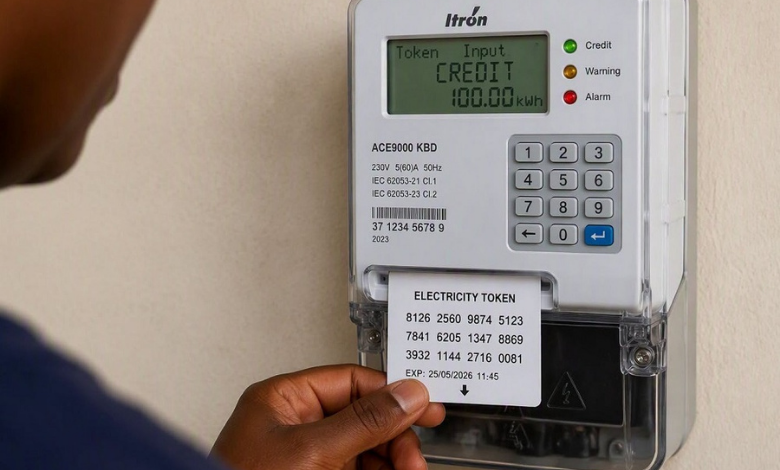
For consumers who purchase prepaid electricity, the impact can be particularly noticeable because higher tariffs mean the same amount of money buys fewer units.
A household spending R1,000 on electricity, for example, would not simply see its monthly budget remain unchanged if the price per unit increases. The number of units purchased would fall unless the household increases its electricity budget or reduces consumption.
Businesses face higher operating costs
The proposed increase is also significant for South African businesses.
Electricity is a major operating expense for manufacturers, retailers, restaurants, offices and other businesses with substantial power requirements. Higher tariffs can therefore increase production and operating costs even when electricity consumption remains unchanged.
Businesses may respond by investing in energy efficiency, solar installations, battery storage or other alternatives to reduce their reliance on grid electricity.
However, those investments require upfront capital, meaning smaller businesses may have fewer options for absorbing rising electricity costs.
Eskom’s financial position has improved
The proposed tariff increase comes at a time when Eskom’s financial performance has improved substantially.
Eskom reported R30.3 billion in profit after tax for the 2025/26 financial year, more than double the R14.0 billion recorded in the previous year. The utility also experienced a significant reduction in load shedding during the year.
The improvement has been supported by operational gains and higher electricity tariffs.
However, Eskom continues to face financial challenges, including declining electricity sales and substantial municipal debt. Reuters reported that unpaid municipal debt increased to R111.6 billion, highlighting a major risk to the utility’s financial position.
This creates a difficult balancing act for the regulator. Eskom needs sufficient revenue to maintain and improve the electricity system, but higher tariffs can also reduce affordability and encourage customers to reduce their reliance on the grid.
What happens next with the electricity price increase?
The immediate next step is the public consultation process.
Consumers, businesses and other stakeholders have until 2 October 2026 to submit their views on Eskom’s proposed tariff structure.
The key issue is not simply whether consumers will face an 8.83% increase, but how that increase will be allocated across different charges and customer categories.
For households and businesses, the final structure will determine how the proposed increase translates into actual electricity bills.
The decision will also be closely watched by businesses planning their 2027 budgets, particularly energy-intensive companies. For households already under pressure from rising living costs, another electricity increase could further constrain disposable income.
The next major development will therefore be NERSA’s response to public submissions and its eventual treatment of Eskom’s proposed tariff structure for the 2027/28 financial year.
